
About why Bored Owl made Eddie Data Hub
Bored Owl’s founders built systems to survive rugged field and demanding operational requirements. These systems need control and measurement computers and sometimes real‑time computing power. We found it saved time and money to keep the same lab hardware and software as the systems moved to higher readiness.
Many students, early career researchers, and engineers know microcontroller systems because this is what they are familiar with from university study and from hobbyist endeavours. These are usually fine for prototypes but not sturdy enough for final products. Turning them into reliable products takes a lot of work which equates to time and money and requires a learning curve to be able to solve problems with integrating equipment together to form a complete measurement solution. At the other end of the scale of systems are Industrial control systems (like PLCs) are robust but costly and use programming methods unfamiliar to users like you.
In Figure 1, Bored Owl’s Eddie Data Hub solution is shown at the centre of four overlapping circles, because it includes all the four basic functions needed in a measurement system (or DAQ system): software, control, communications and data logging.
In Figure 2, There are examples given schematically of the current options for DAQ hardware setups. We’ve added Bored Owl’s alternative measurement solution to this figure, the original figure was from the Geeks for Geeks website. The range of alternative systems which are out in the world to choose between include: PC connected to sensors via a device, PLC, Data loggers.
From our market research, from these 3 types of systems (PC connected to sensors via device, PLC, data loggers) the affordable end of the spectrum is limited to USB style plug in devices for your PC. The limit of the plug in devices is whether you can connect what you need to them and they are not expandable and also require the PC which could be unsuitable for field applications.
Eddie Data Hub is a rugged, modular system where you can choose and scale the processor, I/O, and communication options. It’s affordable to start with and durable enough for final products.
We designed the Eddie Data Hub for non-experts. Our goal is to make STEM tools easy to use so you don’t need hardware or software expertise to set up measurement and control. The Eddie Data Hub should enable your ideas.
Our Bored Owl team will provide AU based support for the Eddie Data Hub so you get support direct from the designers!
Our hardware is designed for easy connection to industry-standard sensor and control connectors.
View data as its collected on a dashboard on your laptop! For an example of the dashboard see the case study on the environmental chamber application for Eddie.
Our software is designed for easy interaction with data acquisition and device control. Although the firmware may be stack-based, the commands (words) are simple and straightforward.
Do data analysis the way you want...that’s right you get your sensor data from Eddie with words (which we create for you in our stack based language K4 and are held in a library for you to access) then you transform that data in your own preferred data analysis environment, whether that’s simply Excel, Matlab or some Python code.
Visit our Technical Specification page for more details.
To get updates on our progress with the Eddie Data Hub just email us to subscribe to updates and you can also visit our updates page.
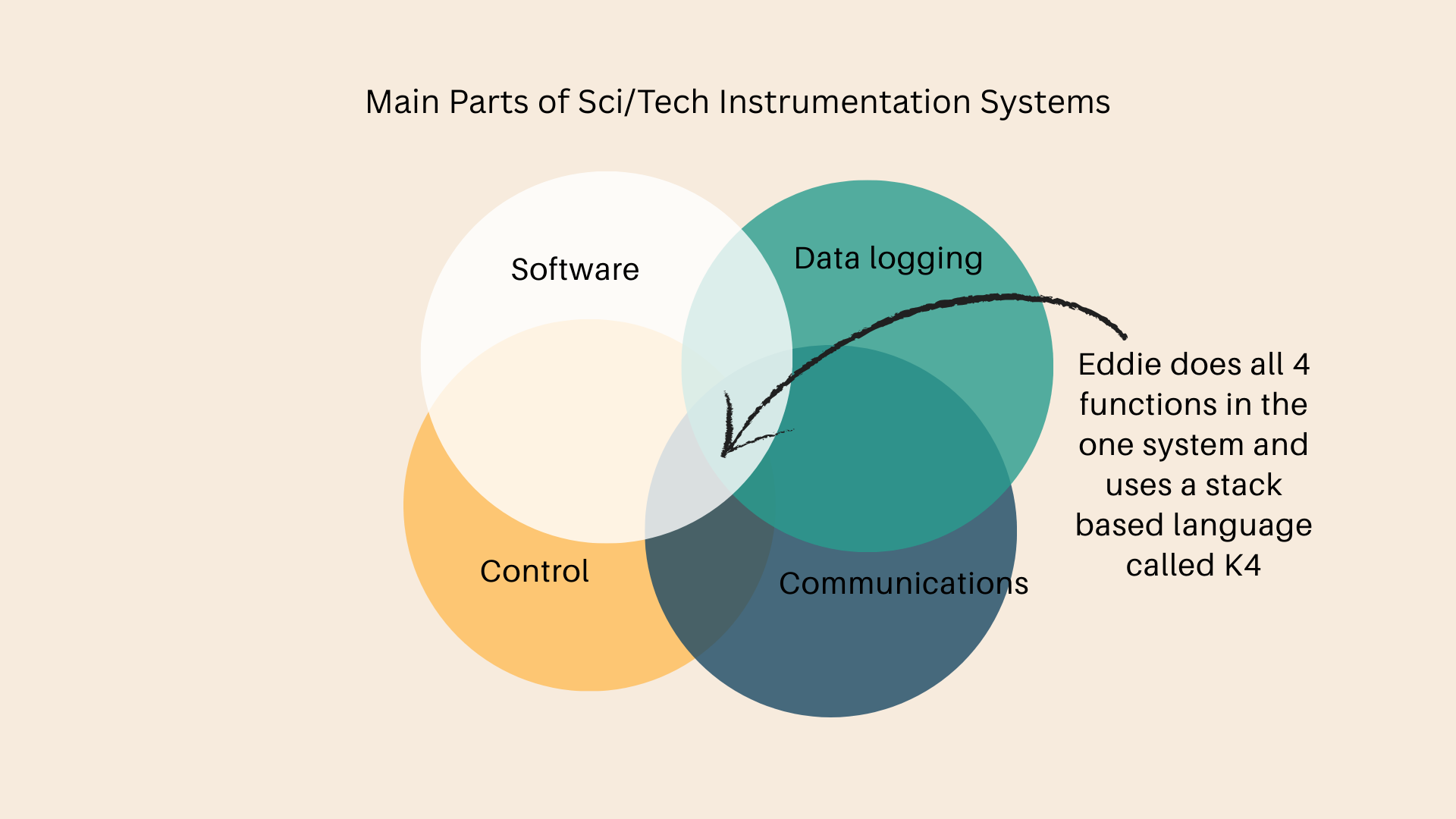
Figure 1. Main Parts of Science / Instrumentation Systems - or Data Acquisition and Control Systems (DAQ) for the Lab
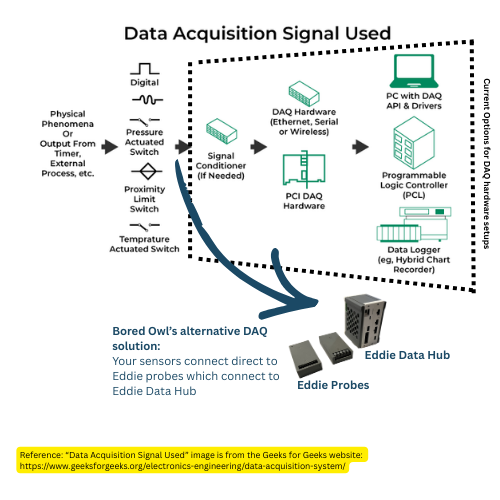
Figure 2. Options for DAQ hardware setups are shown. Also examples of the types of signals being captured by these hardware setups are shown.
Note original figure by Geeks for Geeks has been modified to include our Eddie DAQ solution.
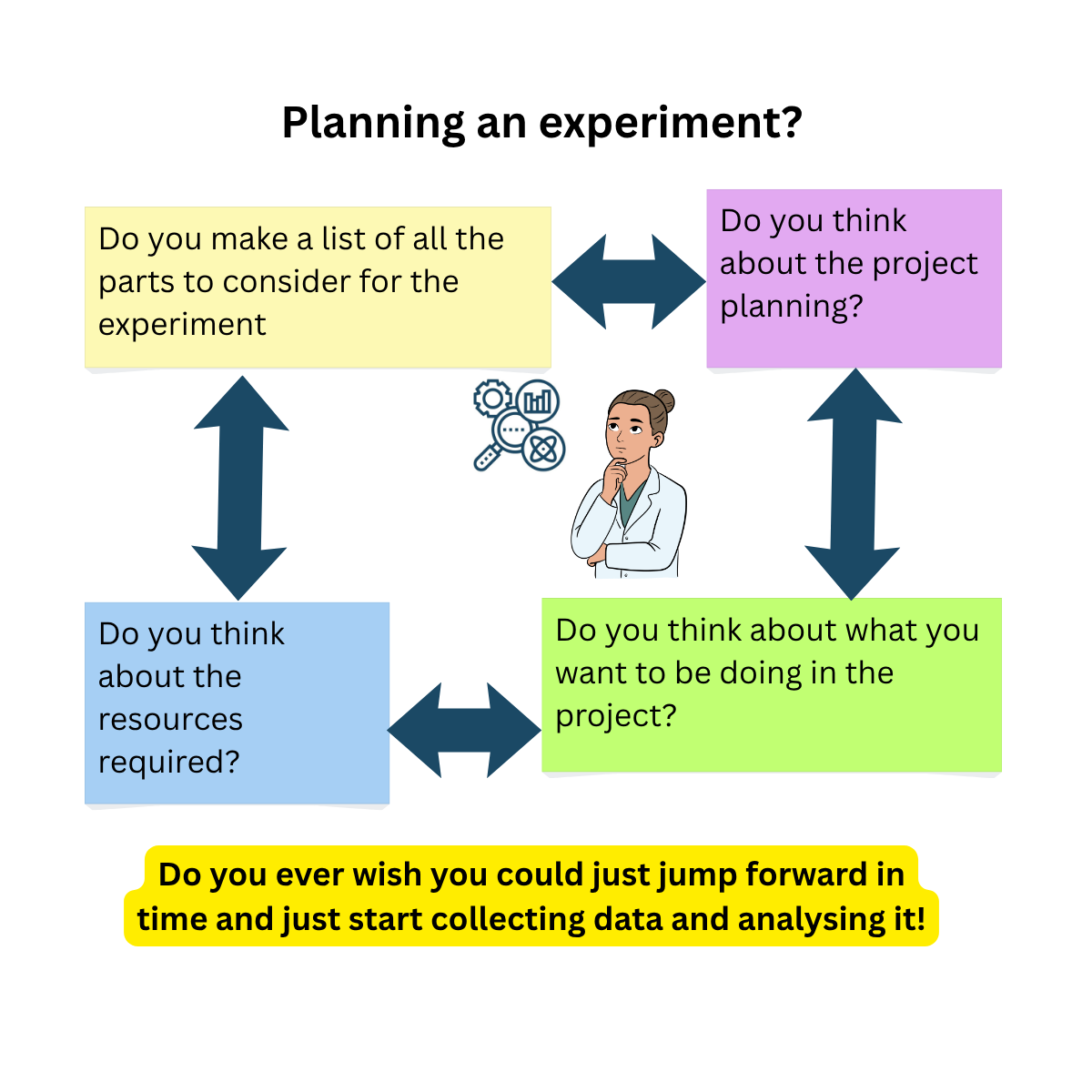
Planning an experiment?
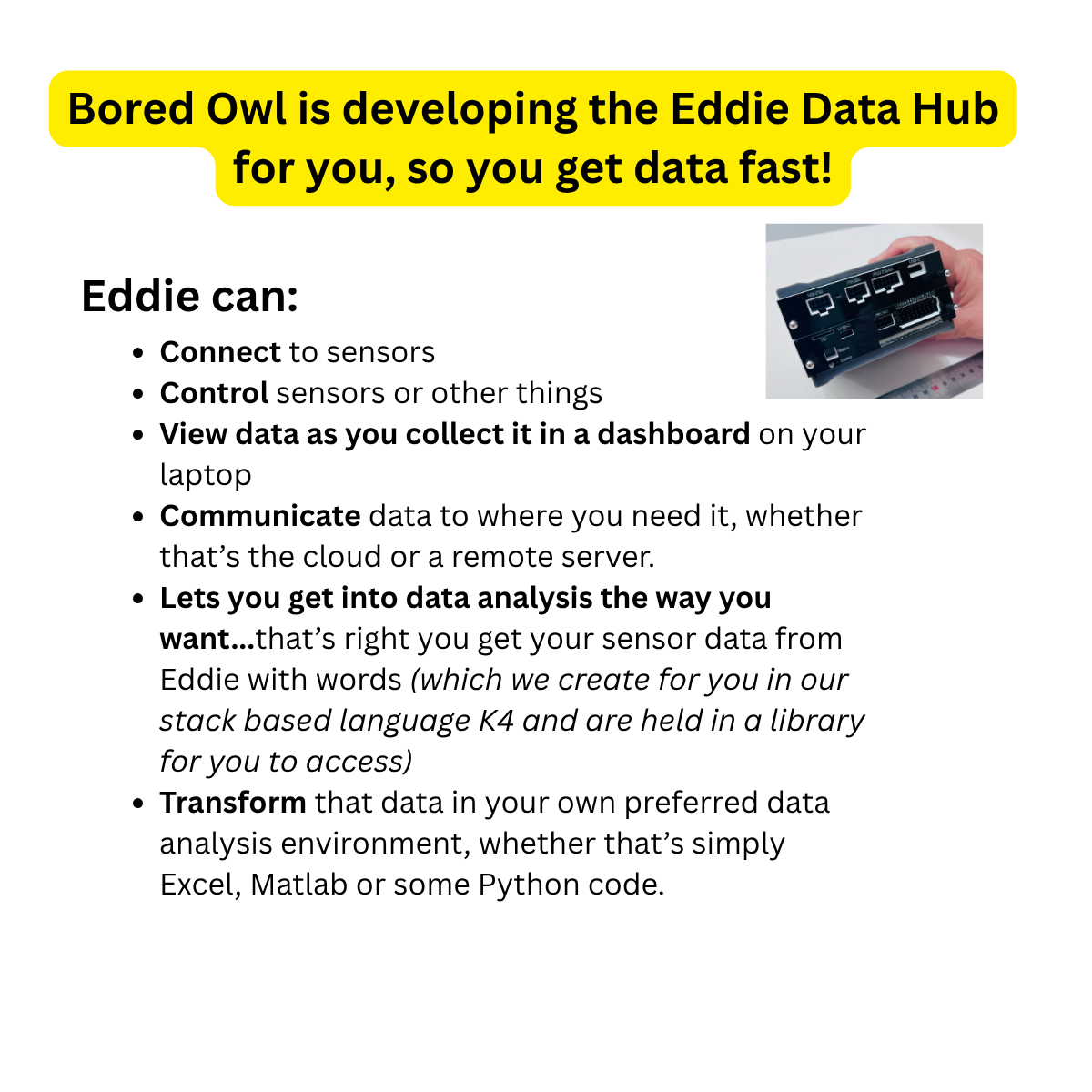
Eddie can help you get data fast!
Contact Bored Owl for more info
Contact us
Interested in find out more. Fill out some info and we will be in touch shortly.
We can’t wait to hear from you!
Our privacy policy is shown below.